

Crypto Audit Guide: What Your Business Should Expect (And How to Survive It)

If you are running a business in the cryptocurrency space, whether it’s a crypto exchange, a DeFi protocol, or a fintech company, the word "audit" probably spikes your blood pressure. In the traditional world, an audit is about balancing ledgers. In the high-risk world of crypto, it’s about survival. It is the difference between securing a banking partner and being de-risked. It is the difference between a clean bill of health and a FinCEN enforcement action.
A crypto audit isn't just a financial checkup; it’s a stress test of your private keys, your crypto wallet security, and your compliance controls. Here is the no-fluff guide on what your business should actually expect, what it will cost, and how to prepare.
The Landscape: It’s Not Just About the Money
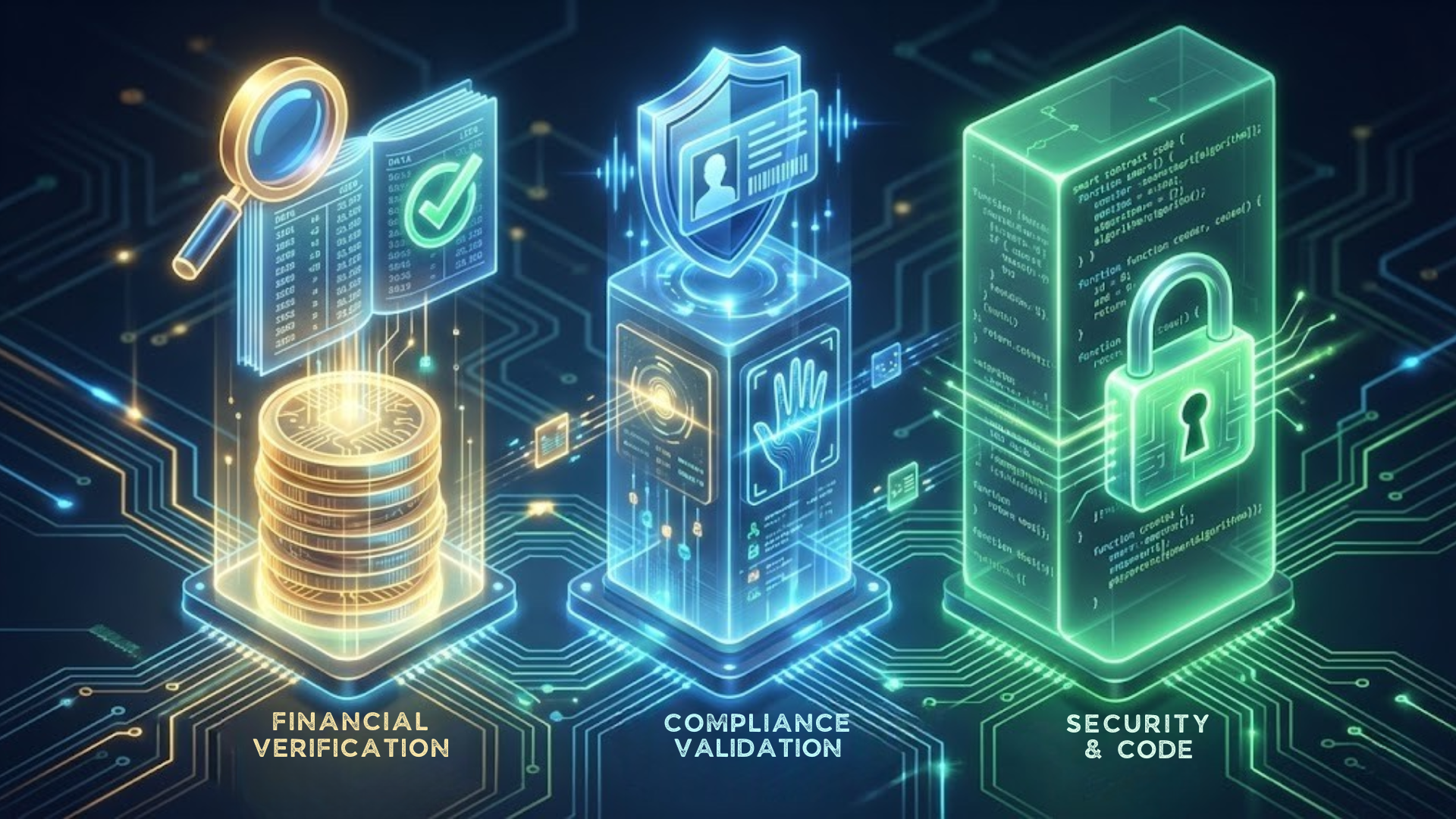
First, let’s clear up a misconception. An audit isn't about market analysis or telling investors the best crypto to buy now. It is a forensic examination of your operations. Depending on your business model, you are likely facing a combination of three distinct beasts:
- Financial Verification: Do you actually have the assets you claim to have? (Proof of Reserves).
- Compliance Validation: Is your AML/KYC program actually catching bad actors, or is it just "compliance theater"?
- Security & Code: Is your smart contract logic sound, or is there a backdoor for a $50M exploit?
Regulators in the U.S. (FinCEN, SEC) and globally (FATF, EU’s MiCA) are tightening the screws. If you operate in global markets, sometimes referred to as Krypto markets in Europe, these audits are your license to operate.
Types of Audits You Will Face
You need to know which auditor to hire for which problem. Don't hire a CPA to check your Solidity code.
1. Financial Statement Audits
The Goal: Prove the numbers are real.
What to Expect:
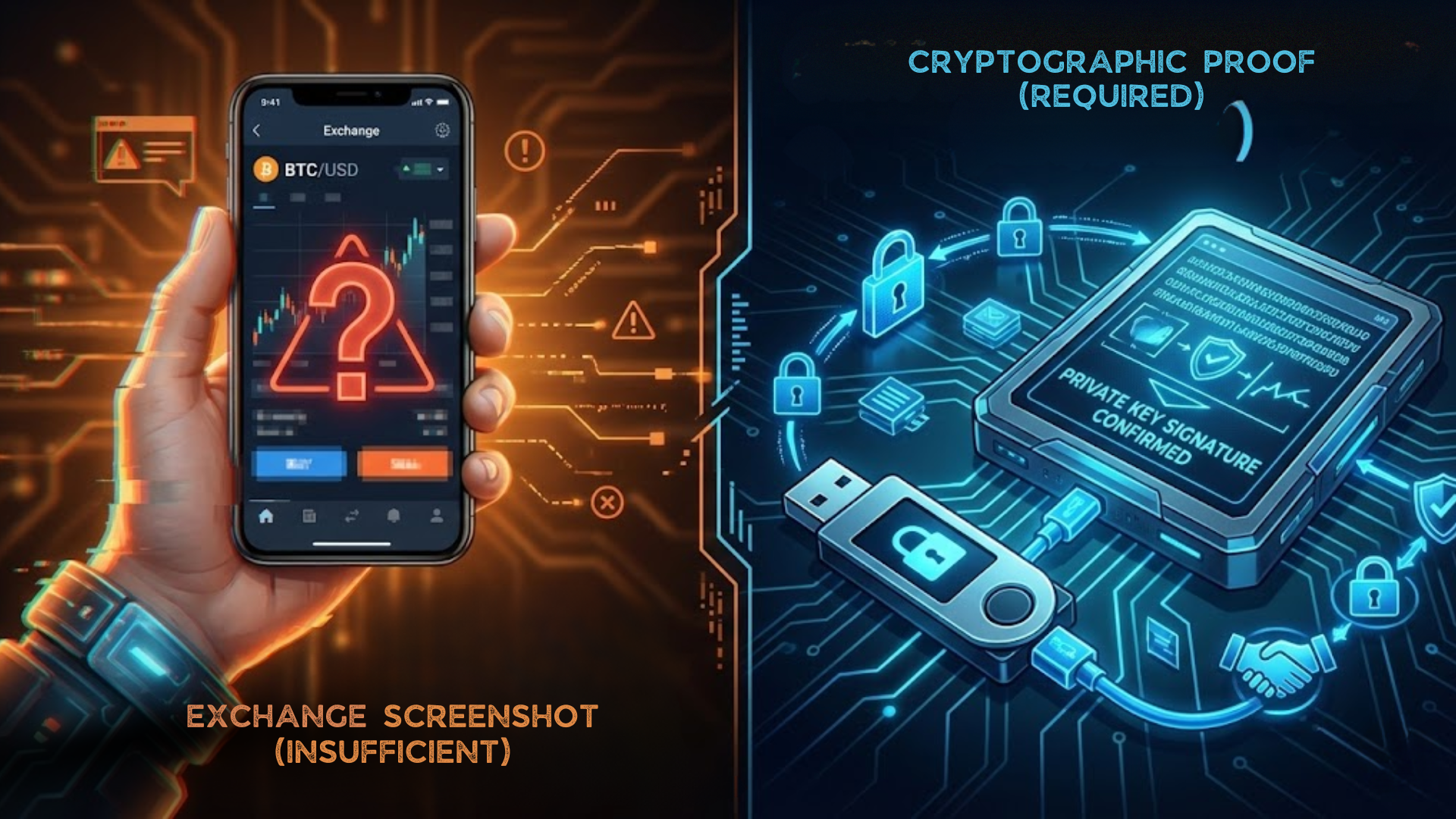
- Wallet Verification: Whether you use a cold wallet for long-term storage or a hot wallet for daily ops, auditors will demand proof. You can't just show a screenshot of a Bitget or BingX exchange account. Auditors will require wallet addresses and signed messages to prove you control the private keys.
- Reconciliation: Did your corporate treasury buy crypto with credit card, wire transfer, or buy crypto with PayPal? Every fiat-to-crypto on-ramp must be reconciled. Tools like Cointracker or Cryptio are often used to trace these taxable events.
- Valuation Stress: U.S. GAAP and IFRS treat crypto differently. If you hold assets in an IRA provider like Itrustcapital or self-custody, expect arguments over how you value illiquid tokens.
2. AML/KYC Compliance Audits
The Goal: Prove you aren't laundering money.
What to Expect:
- The SARs Test: Auditors will pull your Suspicious Activity Reports. Did you file them on time? Is the narrative clear?
- Transaction Monitoring: They want to see that your system actually alerts you to structuring. If you facilitate crypto trading, are you monitoring for wash trading or sanctions evasion?
3. Smart Contract & Security Audits
The Goal: Prove your code is safe.
What to Expect:
- Mining & Staking Risks: If your revenue comes from crypto mining or staking rewards, auditors will verify the on-chain proof of those rewards.
- Gas Optimization: Good auditors won't just find bugs; they'll tell you where your code is wasting money.
The Price Tag: What Does a Crypto Audit Cost?
Budgeting for an audit is often a shock for startups. Here are the realistic ranges you should anticipate:
| Audit Type | Typical Cost Range | Factors That Hike the Price |
|---|---|---|
| Financial Statement | $15k – $250k+ | Complexity of wallets, DeFi exposure, transaction volume. |
| Smart Contract | $8k – $150k+ | Code complexity (ERC-20 is cheap; Cross-chain is expensive). |
| AML/Compliance | $20k – $75k/year | Number of jurisdictions, high-risk customer volume. |
How to Prepare (And Save Money)
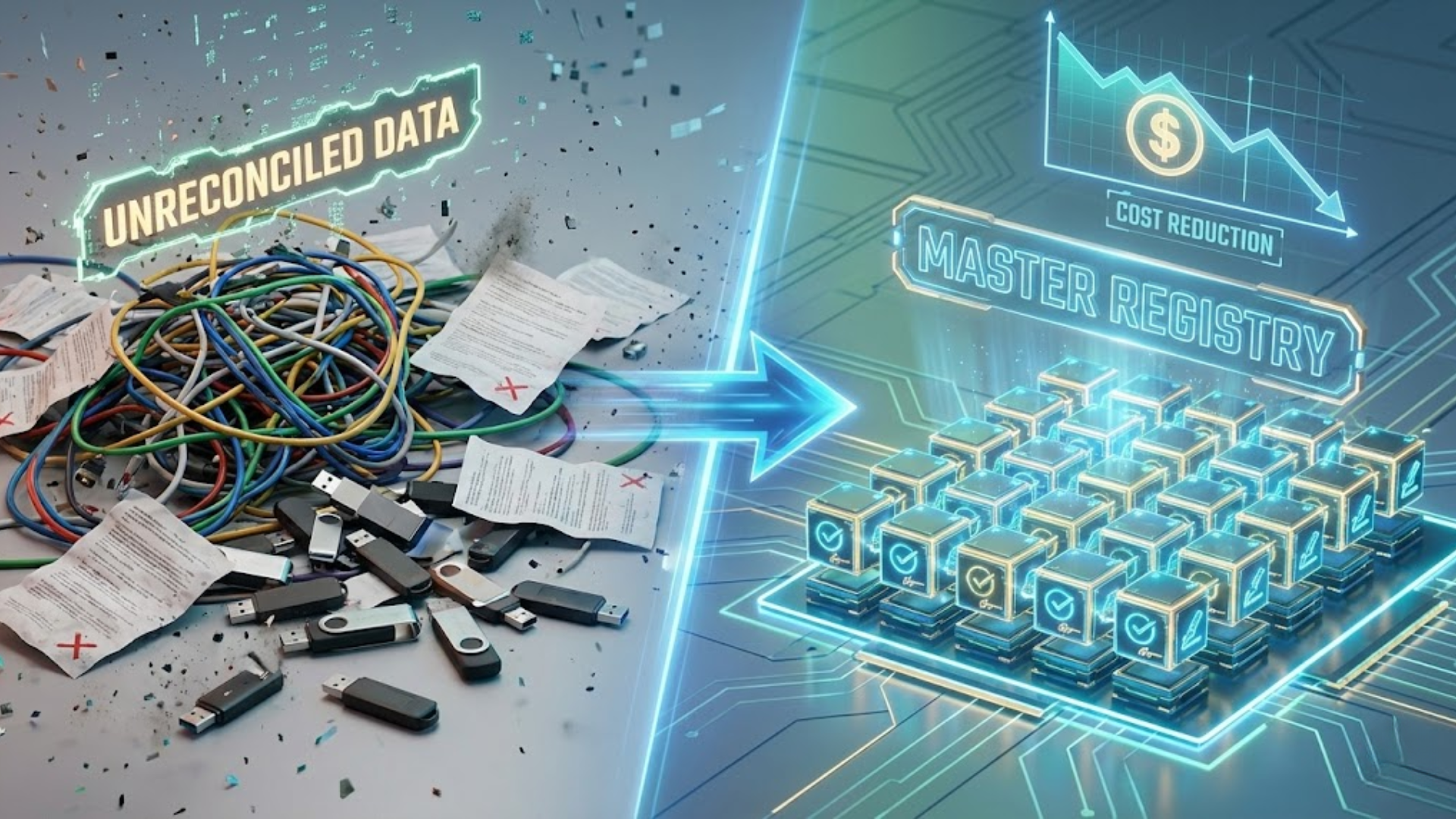
The messy client always pays more. If your data is a disaster, the auditor has to charge you for the hours spent cleaning it up.
- Centralize Your Wallets: Maintain a "Master Registry" of every crypto wallet address. Whether it's the best crypto wallet on the market or a simple paper wallet, if you control it, list it.
- Get Your Tech Stack Right: Use reconciliation software before the audit starts. Manually matching blockchain hash IDs to Excel spreadsheets is a recipe for failure.
- Document Your Logic: Why did you value that token at $1.50? Why did you close that AML alert? If it’s not written down, it didn't happen.
- Check Your Custodians: If you use a third-party custodian, get their SOC 1 Type II report. Your auditor needs this to trust their controls.
Ready to Master Crypto Auditing?
Don't wait for the auditor to find your gaps. Gain the specialized skills needed to manage transparency and risk in the digital asset space.
Enroll in Crypto Auditing: Fundamentals of Transparency and Risk Management
FAQs
Q1: What is a crypto audit?
Ans: A crypto audit is an independent examination of a business's blockchain assets, smart contracts, and compliance controls. Unlike a standard audit, it verifies on-chain ownership of assets (Proof of Reserves) and checks for code vulnerabilities.
Q2: How much does a crypto audit cost?
Ans: Costs vary wildly. A simple smart contract audit might cost $8,000, while a full financial statement audit for a cryptocurrency exchange can exceed $250,000 depending on complexity and transaction volume.
Q3: Do I need an audit if I just hold crypto?
Ans: If you hold significant digital assets on your company balance sheet, yes. Investors and tax authorities will require verification of ownership, often demanding proof that you control the cold wallet keys.
Q4: Can I use consumer tools like Cointracker for business audits?
Ans: Tools like Cointracker are great for individuals to calculate taxes when they buy crypto, but businesses often require enterprise-grade solutions (like Cryptio or Bitwave) that integrate with general ledgers like QuickBooks or NetSuite.
Q5: What is the difference between a hot wallet and a cold wallet audit?
Ans: A hot wallet is connected to the internet for daily crypto trading and is higher risk. A cold wallet is offline storage. Auditors will require more stringent physical security proof for cold wallets (e.g., "Where is the device physically located?").
Q6: Does my business need a smart contract audit?
Ans: If you deploy code that holds user funds (like a DeFi protocol or a token wrapper), a smart contract audit is mandatory. If you are just a brokerage that lets users buy crypto with a credit card, you likely need a financial/compliance audit instead.
Q7: How long does a crypto audit take?
Ans: A smart contract audit can take 1-3 weeks. A full financial audit for a complex cryptocurrency business can take 2-3 months, especially if data reconciliation is messy.
Q8: What happens if I fail a crypto audit?
Ans: "Failing" usually means the auditor issues a qualified or adverse opinion. This can trigger loan defaults, loss of banking partners, or regulatory fines from bodies like FinCEN or the SEC.
Q9: Why do auditors ask about my specific exchange accounts (e.g., Bitget, BingX)?
Ans: Auditors need to verify assets held by third parties. If you hold funds on Bitget, BingX, or Itrustcapital, the auditor cannot verify the private keys directly. They must rely on third-party confirmations or API data to prove those assets exist.
Q10: Is "Proof of Reserves" the same as an audit?
Ans: No. Proof of Reserves (PoR) is a snapshot showing assets cover liabilities at a specific moment. A full audit tests the internal controls, security, and long-term compliance of the business, not just the wallet balance on one day.