
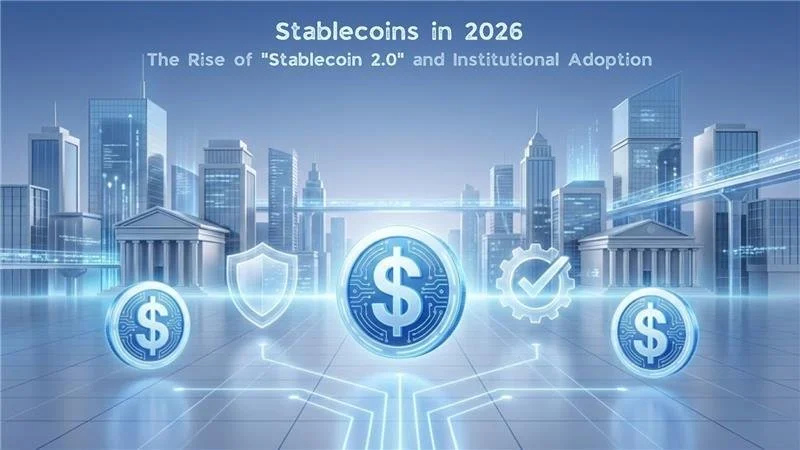
Stablecoins in 2026: The Rise of "Stablecoin 2.0" and Institutional Adoption
As we enter 2026, the crypto and stablecoin narrative has shifted fundamentally. The "Wild West" era is over. Following the landmark passage of the U.S. GENIUS Act in mid-2025 and the full implementation of MiCA in Europe, stablecoins have graduated from volatile trading tools to a regulated component of the global monetary supply. With the market capitalization projected to breach $400 billion this year and transaction volumes now rivaling Visa and Mastercard combined, the focus for 2026 is no longer just stability; it is utility, yield, and integration. For compliance officers, risk professionals, and institutional investors, 2026 introduces a new challenge: distinguishing between legacy payment tokens and the emerging wave of "Stablecoin 2.0" instruments that blend banking, DeFi, and securities law.
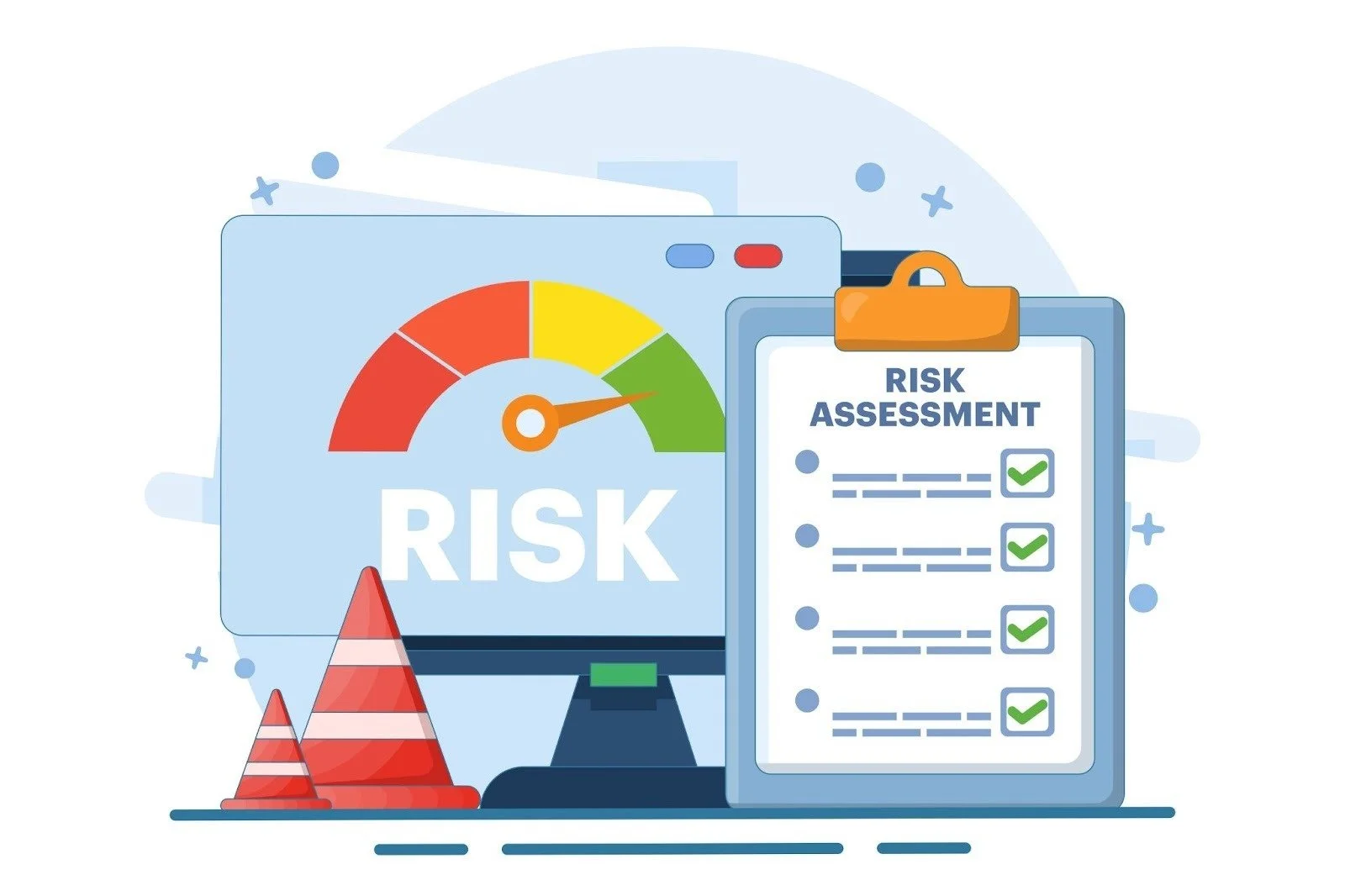
Your AML Risk Assessment Just a Checkbox?
Is your AML risk assessment a living tool that guides your daily operations, or is it a dead document filed away to satisfy an auditor? Across the financial industry, from agile Fintechs to established community banks, this is the single most critical failure point. Compliance Officers, Compliance Directors, and risk teams often treat the risk assessment as an annual chore. They fill out the spreadsheet, sign it off, and shelve it. Meanwhile, the actual AML risk landscape shifts overnight. In 2024 and 2025, regulators issued dozens of enforcement actions citing "inadequate risk assessments" as the root cause. The message from the OCC, FinCEN, and the FCA is consistent: If your risk assessment doesn't directly drive your control design, resource allocation, and technology budget, it is not an asset. It is a liability. At High Risk Education, we believe in practical, defensible compliance. This guide strips away the academic theory and focuses on the operational reality for the modern AML Compliance Officer.

Which way to learn compliance is better? You decide!
There is so much information out there from the public view that we can leverage and use for learning purposes, especially real-life events. To me, the best way to learn is to study events that have occurred and ways we can learn from them. Believe it or not, there are so, so many.
One example is Frank Abagnale. He circumnavigated the globe, committing fraud on various levels. But did you ever think about how he did it? Frank understood the inner workings of a bank, the process, the operation,s and so much more. Yes, he is an ex-con, but we can learn how he went about his criminal escapades. The forgery, dealing effectively with bank tellers, understanding how the back-office operations worked and more.

Why is compliance so interesting?
This article is dedicated to all the Compliance Officers who have passion and dedication to do what’s right! The goal of Compliance is to keep a firm out of regulatory trouble. And believe it or not, it’s not all glitz and glamor. Sometimes we need to get our point across to different areas of an organization. It requires us to use our influence and persuasion skills. These skills are key. Compliance has been called the police, anti-establishment folks (mostly from the front office), and other names that I won’t repeat here.

Fighting Financial Crime with AI: The Future of AML and Fraud Detection
In a world where financial crimes grow more sophisticated by the day, the advent of Artificial Intelligence has enhanced the capabilities of financial institutions to better manage the risks. With its ability to uncover intricate patterns in millions of transactions, AI is elevating compliance into a proactive force against financial crime.

Internal Controls 101: Understanding the Basics for Early Career Professionals
Internal controls are the processes and procedures that organizations put in place to protect assets, ensure reliable reporting, and keep operations running smoothly. You can think of them as the guardrails that keep a business on track. Their purpose is to provide reasonable assurance—not absolute guarantees—that an organization will achieve three objectives: effective operations, reliable financial reporting, and compliance with laws and regulations.